One of the best uses for sintered stone: Dining table
By DiTuo Sintered stone
December 11th, 2024
3465 views
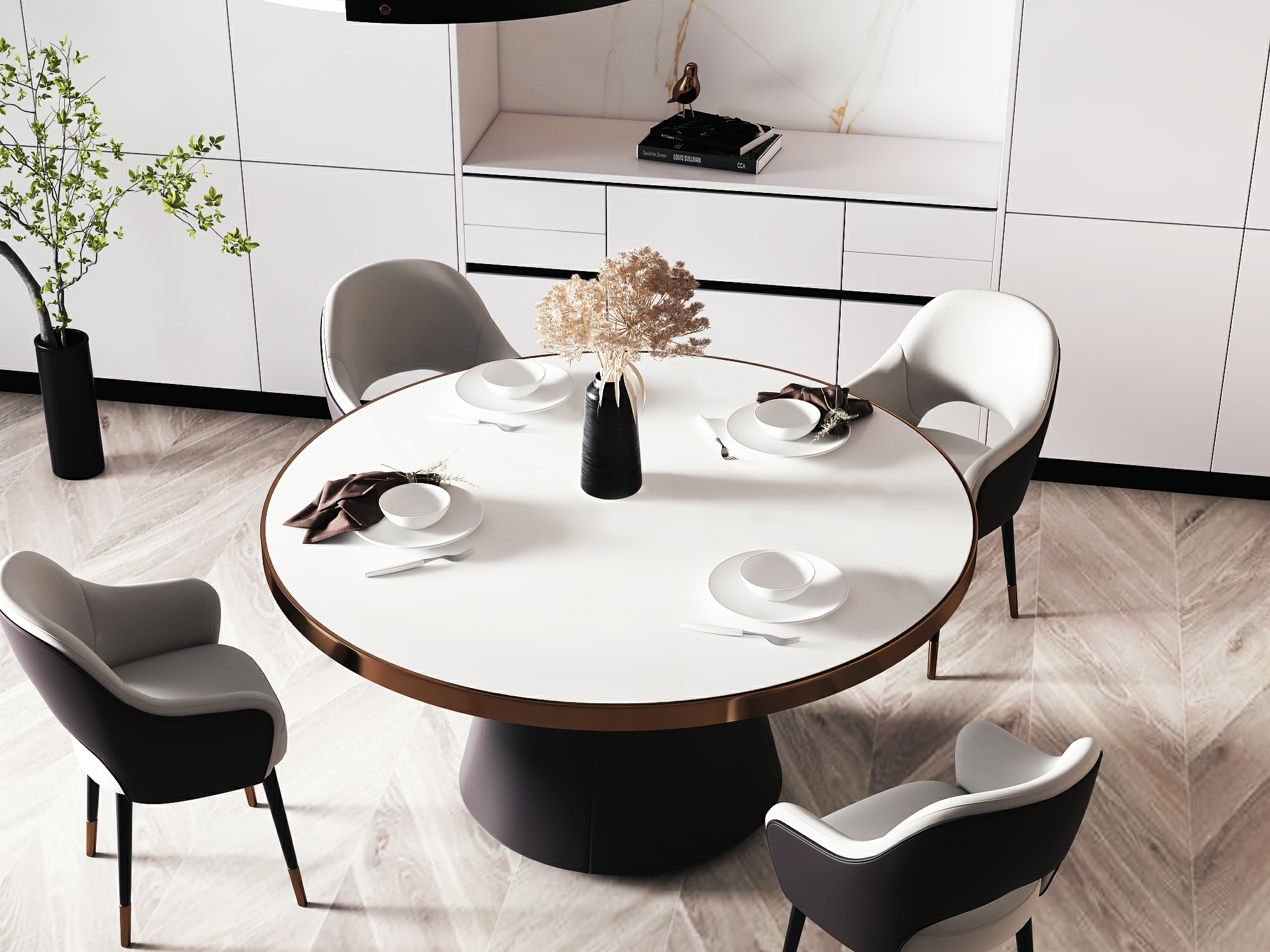 Dining table is an indispensable part of our home, compared to other materials, the advantages of Sintered stone dining table are more obvious, so Sintered stone dining table has undoubtedly become the first choice of many families.Is Sintered stone dining table worth using? Absolutely worth it! In this article I will introduce you to the composition, advantages and disadvantages of Sintered stone dining table, as well as tips for choosing a Sintered stone dining table.1. Composition of sintered stone dining table
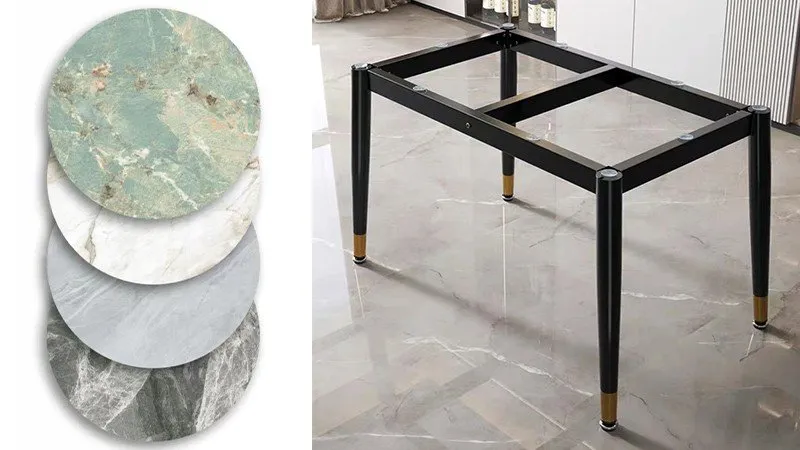 The so-called Sintered stone dining table is generally made up of two parts: the table top and the support frame underneath.Table top: for the dining table, the first thing we may see is the table top, which is made of Sintered stone.Below: the support frame consists of different materials and structures, fixed on the Sintered stone tabletop, the support frame is made of many kinds of materials, including metal, solid wood, acrylic and so on.2. Advantages of Sintered stone dining tables
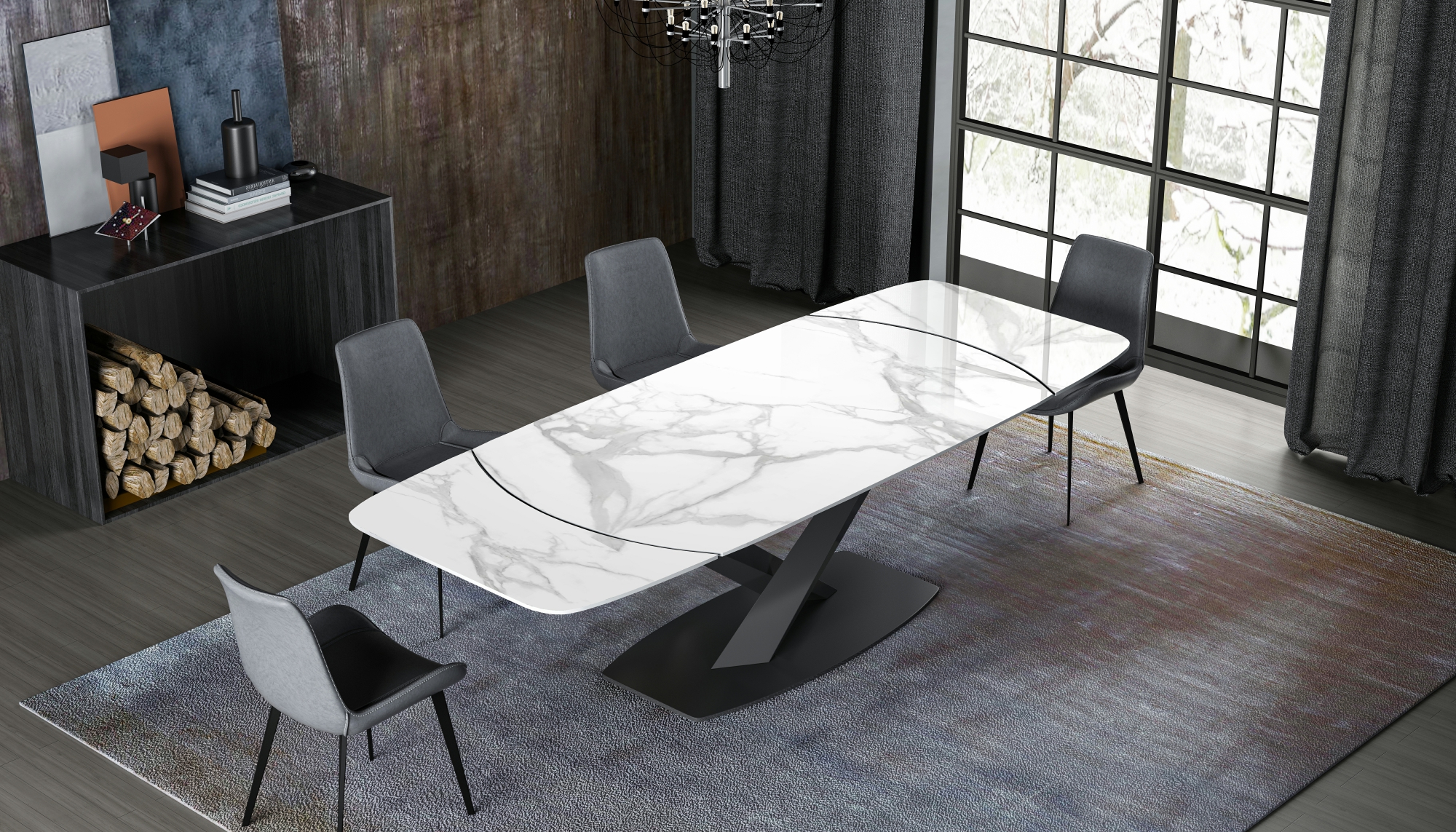 There are several benefits to choosing a sintered dining table for your home, including:Aesthetics: Sintered stone is available in a variety of colors, finishes, and patterns, so you can find a table that matches your decor perfectly. From modern to traditional, Sintered stone tables can be created to add elegance to your dining area.DURABILITY: Sintered dining tables are extremely durable and resistant to scratches, impacts, and chips, so they can withstand daily wear and tear, even in homes with children and pets, making them a long-term investment.STAIN RESISTANT: Sintered stone is non-porous and therefore will not absorb liquids or stains. This characteristic makes it particularly suitable for dining tables. When soups, juices, oil stains, etc. are spilled on the table, they can be easily cleaned.Heat-resistant: Sintered dining tables are heat-resistant, which means you can place hot pots, pans or plates directly on the tabletop without causing damage or leaving marks.HYGIENIC: Sintered stone has a non-porous surface which makes the dining table hygienic. It does not harbor bacteria, mold or mildew, ensuring a clean and safe dining environment. We can place food directly on the table and even cut fruit, cook, bake or make dumplings on it.LOW MAINTENANCE: Unlike natural stone tables that require sealing and regular maintenance, sintered dining tables are very low maintenance. It can be easily cleaned with just mild soap and water, thus reducing the time and effort required for maintenance.Has all the physical properties of Sintered stone3. Disadvantages of Sintered stone dining tablesWhile Sintered stone dining tables have many advantages, they also have some disadvantages that you should consider before purchasing.Cold to the Touch: Sintered dining tables are cold to the touch, which can be uncomfortable for some people, especially in cold locations or during the winter months. Additionally, placing a hot plate directly on a cold surface can lead to thermal shock and potential damage.Increased Noise Levels: the high density and hardness of Sintered stone table tops does lead to increased noise levels, especially during everyday activities, such as placing dishes, cutlery, or utensils on the table top will create a more noticeable noise. If you enjoy the quiet of your home, you may find this noise unacceptable. To minimize this noise, you can use placemats, tablecloths or felt pads under dishes and glassware.Fragility: while Sintered stone is very durable, Sintered stone tables can become relatively fragile when subjected to extreme force or impact. Dropping heavy objects on the table may cause the tabletop to chip or crack.Heavy: Sintered stone is a very dense material, so Sintered stone tables can be heavy. Their weight can have a real impact on transportation, installation, movement and floor support. If you need to move your dining table around your home frequently, it's important to take this into account when choosing a Sintered stone table.Cost: Sintered stone is a relatively new material, so Sintered dining tables tend to be more expensive than tables made from other materials such as wood, laminate or glass. The initial investment can be high. However, the durability and longevity of a Sintered stone table makes it an affordable option in the long run.Choose the right thickness:Sintered stone tables are available in different thicknesses, usually between 6 mm and 20 mm. These thicknesses can meet people's daily needs. Thicker tables may seem sturdier, but may be heavier and more expensive. Thinner tables can be easier to transport and move around in everyday life, but they have less weight-bearing capacity and break easily.If you want a more durable table, then you should choose a thicker table. However, if you are on a budget or need to move the table frequently, then you can opt for a thinner table.Choose a table with a composite material on the bottom:When Sintered stone table tops are combined with materials like wood or glass, it increases their stability and reduces the chances of Sintered stone table tops breaking.Sintered stone dining tables are a great option if you are looking for a durable, low-maintenance and stylish table. However, it's important to weigh up the pros and cons carefully before making a purchase.As Sintered stone specialists, we not only manufacture high-quality Sintered stone, but also offer a customized service for Sintered dining tables and Sintered stone coffee tables based on our clients' unique requirements. If you are looking for an experienced supplier of Sintered stone tables, please get in touch with us via the contact form on our website.
Previous
Sintered stone Round dining table: changing the marble home sector
Read More
Next
Your Trusted Brand Supplier of Sintered Stone | Dekton 20mm Extra Thick Countertop Design
Read More